Artificial Ice Pyramids: India's Solution for Mountain Water Crisis
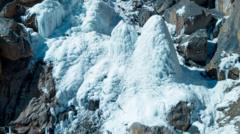
Artificial Ice Pyramids Transforming Himalayan Communities
The regions of the Indian Himalayas are witnessing an innovative transformation as local communities embrace artificial ice pyramids to address their critical water scarcity challenges. These remarkable engineering structures are becoming essential lifelines for mountain villages struggling with unpredictable seasonal water availability and the devastating effects of climate change on traditional water sources.
Understanding the Water Crisis in Mountain Villages
High-altitude communities throughout the Himalayan range have traditionally depended on natural glacier melt during spring months to irrigate their agricultural lands. However, accelerating glacier retreat and erratic precipitation patterns have left thousands of farmers without adequate water supplies during crucial growing seasons. This environmental crisis threatens both food security and the economic survival of remote mountain communities that have sustained themselves through agriculture for generations.
How Artificial Ice Pyramids Work
The artificial ice pyramid concept represents a brilliant adaptation of traditional knowledge combined with modern understanding of water management. These structures are constructed by channeling water from underground springs and streams through carefully engineered systems that allow the liquid to freeze in pyramid-shaped formations during winter months. The strategic design maximizes surface area while minimizing exposure to direct sunlight, creating massive natural refrigerators that preserve frozen water reserves until spring arrives.
The engineering behind artificial ice pyramids involves meticulous planning of water channels, slope angles, and altitude positioning. Engineers and local water specialists work together to identify optimal locations where natural water flows can be intercepted and diverted into construction zones. The water spreads across prepared surfaces, gradually accumulating in thick ice layers as temperatures plummet during harsh mountain winters.
The Spring Thaw: Providing Critical Agricultural Water
As temperatures rise in spring, these artificial ice pyramids undergo controlled melting, providing a steady and reliable water supply precisely when farmers need irrigation most. This timing proves crucial, as it aligns perfectly with the planting season for essential crops including apples, apricots, and other produce varieties that require consistent moisture. The meltwater flows naturally downslope through irrigation channels, reaching agricultural terraces and fields throughout the village territories.
Community Implementation and Success Stories
Villages across Ladakh and neighboring mountain regions have successfully implemented artificial ice pyramid projects, with remarkable results for their agricultural productivity. Some communities report increased crop yields exceeding 30 percent compared to years when traditional glacier melt proved insufficient. Farmers express renewed confidence in their ability to sustain their livelihoods without depending entirely on unreliable seasonal patterns or expensive water imports.
Environmental and Economic Benefits
Beyond immediate agricultural improvements, artificial ice pyramids offer substantial environmental advantages. These structures help communities adapt to climate change impacts while reducing their carbon footprint, as they require no energy input to function. The projects also preserve traditional farming practices and maintain ecological balance in vulnerable mountain ecosystems. Economically, the initial investment in infrastructure yields long-term returns through improved crop productivity and reduced agricultural losses.
Challenges and Future Development
Despite their success, artificial ice pyramid projects face ongoing challenges including maintenance costs, technical expertise requirements, and ensuring equitable water distribution among multiple villages sharing mountain water sources. Climate scientists note that while these structures provide valuable short-term solutions, broader climate change mitigation strategies remain essential for long-term sustainability of Himalayan communities.
Expanding the Initiative
Regional governments and international environmental organizations have begun supporting the expansion of artificial ice pyramid technology across vulnerable mountain regions. Training programs now educate young engineers and community leaders in construction and maintenance of these water-harvesting structures. The model demonstrates how indigenous knowledge, modern engineering, and community cooperation can create resilient solutions to environmental challenges facing mountain populations worldwide.


