Jackdaw Gasfield Approval Sparks Climate Backlash
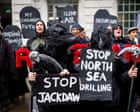
Government Approves Jackdaw Gasfield Despite Environmental Concerns
The UK government's decision to permit Jackdaw gasfield approval has provoked strong criticism from environmental organizations and climate advocates across the country. The controversial authorization to proceed with drilling operations has reignited debate about Britain's commitment to meeting its climate objectives while simultaneously addressing the ongoing cost-of-living pressures affecting households nationwide.
Environmental groups argue that the Jackdaw gasfield approval represents a significant step backward for renewable energy transition efforts. They contend that expanding fossil fuel extraction infrastructure contradicts the government's stated climate ambitions and international commitments to reduce carbon emissions. The approval decision has been characterized by campaigners as counterproductive to long-term sustainability goals.
Economic Arguments and Climate Trade-offs
Supporters of the project claim that increased gas production will help stabilize energy prices and provide relief to consumers facing steep energy costs. However, critics dispute these assertions, maintaining that the Jackdaw gasfield approval will not deliver meaningful bill reductions for ordinary households. Instead, they argue the initiative prioritizes corporate profits over genuine solutions to the energy affordability crisis.
According to environmental analysis, developing new gas reserves locks in decades of fossil fuel dependency rather than accelerating the transition toward renewable energy sources. Climate scientists emphasize that such projects undermine global efforts to limit temperature increases and prevent severe environmental consequences.
Potential Victory for Environmental Movement on Rosebank
In a potential counterbalance to the Jackdaw decision, energy secretary Miatta Fahnbulleh is reportedly leaning toward rejecting approval for the considerably larger Rosebank oilfield project. This position signals possible internal government disagreement regarding fossil fuel development policy and suggests growing political consideration of environmental concerns.
The Rosebank oilfield represents a substantially more significant extraction project than Jackdaw, making its potential rejection symbolically important for climate advocates. Should Fahnbulleh's recommendation proceed to rejection, it would represent a notable policy reversal and demonstrate responsiveness to environmental pressure campaigns.
Broader Implications for Energy Policy
The divergent approaches to these two major projects highlight tensions within government energy policy. While the Jackdaw gasfield approval proceeds, reconsideration of Rosebank suggests evolving perspectives on fossil fuel expansion. Energy experts note this inconsistency raises questions about the coherence of UK climate strategy moving forward.
Environmental organizations are mobilizing supporters to advocate for Rosebank rejection, viewing this as an opportunity to establish precedent against major new oil development projects. The outcome could significantly influence future policy decisions regarding fossil fuel extraction on British territory.
Public Discourse and Political Context
Michael Safi's recent interview with environment correspondent Matthew Taylor explores these complex issues in depth, examining the intersection of climate responsibility, economic necessity, and political feasibility. The discussion reflects broader societal debate about balancing immediate energy concerns with long-term environmental protection.
Climate activists emphasize that renewable energy investment offers superior long-term solutions compared to expanding gas infrastructure. They argue that government resources dedicated to fossil fuel projects should instead support wind, solar, and other clean energy technologies that create sustainable economic opportunities.
Looking Forward
The coming weeks will determine whether the energy secretary's apparent inclination toward Rosebank rejection materializes into official policy. This decision will carry substantial weight for Britain's climate credibility and environmental movement momentum. The contrast between the Jackdaw gasfield approval and potential Rosebank rejection will shape perceptions of government commitment to genuine climate action versus incremental adjustments to energy policy.