Royal Navy Faces Arctic Capability Gap Against Russia
Critical Defence Gap Identified in the Arctic Region
The United Kingdom faces mounting security challenges in the Arctic as the Royal Navy Arctic defence capabilities fall short of requirements needed to counter escalating Russian military activities in the high north. A comprehensive review by Parliament's defence select committee has exposed significant vulnerabilities that threaten Britain's ability to maintain credible deterrence against potential Russian aggression beyond UK territorial waters.
The committee's findings underscore a troubling trend: inadequate submarine numbers, declining frigate availability, and chronic maintenance issues have created a strategic vacuum in one of the world's most strategically significant regions. These shortfalls demand urgent attention and substantial investment to preserve British security interests.
Submarine Availability at Critical Levels
Among the most alarming revelations, all five Astute-class attack submarines operated by the Royal Navy were simultaneously in dock during the summer months. This unprecedented situation highlighted the strain on naval maintenance infrastructure and the severe impact on operational readiness. Attack submarines represent the backbone of Britain's undersea deterrent capability, and their unavailability directly compromises the nation's strategic position in Arctic waters.
The committee emphasized that submarine shortages represent one of the most acute challenges facing modern naval operations. With only five attack submarines in the entire fleet, any extended maintenance cycle or operational commitments leave substantial gaps in coverage. Naval experts warn that this vulnerability could be exploited by adversaries seeking to challenge British interests in the high north.
Frigates Numbers Declining Steadily
Beyond submarine concerns, the defence committee raised serious questions about frigate availability. The declining numbers of frigates available for deployment restricts the Royal Navy's capacity to project power, conduct sustained operations, and respond to emerging crises simultaneously across multiple regions. Frigates serve as essential platforms for naval presence, community engagement, and rapid response capabilities.
The gradual reduction in frigate inventory means fewer vessels available for routine patrols, training exercises, and crisis response. This directly impacts the Navy's ability to maintain a consistent presence in strategically important waters, including the Arctic passages increasingly transited by commercial and military vessels.
HMS Dragon Deployment Delays Signal Deeper Problems
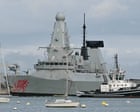
The slow deployment of HMS Dragon to Cyprus this spring served as a concrete example of broader systemic challenges within naval operations. The delayed deployment revealed readiness issues, maintenance backlogs, and resource constraints that extend far beyond individual vessel problems. Such delays compromise allied relationships, undermine strategic positioning, and signal reduced operational capability to potential adversaries.
The Dragon's deployment difficulties reflected the broader reality facing the Royal Navy: vessels require extensive maintenance, crews need proper training and rest, and support infrastructure is stretched to its limits. These cascading challenges create a situation where the Navy struggles to meet commitments, even before considering additional threats like Russian expansion in the Arctic.
Urgency for Dramatic Progress by 2030
Parliament's defence committee has issued an unequivocal message: dramatic progress must occur by the end of the decade to address these critical gaps. The committee's assessment indicates that current investment levels and procurement timelines are insufficient to meet anticipated security requirements in the high north region.
The committee's recommendations call for substantial increases in defence spending dedicated to naval capabilities, accelerated procurement of new vessels and submarines, and improved maintenance infrastructure to ensure higher operational availability rates. Officials acknowledged that achieving these goals requires not only financial commitment but also strategic planning and industrial capacity expansion.
Strategic Implications for Arctic Security
Russia's growing military presence and aggressive posture in the Arctic represent the primary driver for Britain's urgent reassessment of naval capabilities. Moscow has invested heavily in Arctic infrastructure, icebreaker capacity, and specialized forces designed for operations in extreme northern conditions. Britain must maintain sufficient naval presence to deter aggression and protect vital interests, including new shipping routes, resource extraction, and allied partnerships.
The high north has transformed into a contested strategic zone where military capabilities increasingly determine political influence and economic opportunity. Without adequate Royal Navy Arctic defence resources, Britain risks ceding influence to competing powers and becoming unable to guarantee security commitments to Arctic allies and partners.
Path Forward Requires Sustained Commitment
Addressing these shortfalls demands sustained political will, substantial financial investment, and comprehensive industrial strategy. The defence committee's assessment provides a clear roadmap for necessary action, though implementation remains challenging. Building new submarines requires years of construction, acquiring frigates involves lengthy procurement processes, and expanding maintenance capacity demands infrastructure investment.
Nevertheless, the committee's findings are unambiguous: failure to act decisively risks serious consequences for British security and strategic interests in one of the world's most important regions. As Russia continues modernizing its Arctic capabilities, Britain must accelerate efforts to ensure the Royal Navy possesses the resources, personnel, and equipment necessary to fulfill its defence responsibilities and maintain credible deterrence in the high north.