Plug-in Solar Panels: Revolutionary Retail Technology for Your Home
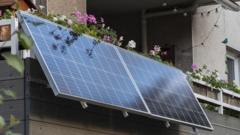
Plug-in Solar Panels: A New Era in Home Energy Innovation
Plug-in solar panels represent a transformative shift in how UK households approach their energy consumption. These groundbreaking devices are set to become increasingly available in retail locations across the country, offering homeowners an accessible pathway to renewable energy adoption. The UK government has emphasized that plug-in solar panels could enable homes to significantly cut their energy bills while simultaneously contributing to environmental sustainability goals.
What Are Plug-in Solar Panels?
Unlike traditional solar installations that require permanent roof modifications and professional installation, plug-in solar panels function as standalone units that connect directly into existing household electrical systems. This innovative approach eliminates the need for complex wiring, structural assessments, and lengthy installation procedures. The technology represents a significant breakthrough in democratizing solar energy access, making renewable solutions available to renters, apartment dwellers, and homeowners who may have previously considered solar installation impractical.
Availability and Retail Distribution
The arrival of plug-in solar panels in mainstream retail environments marks a pivotal moment for renewable energy adoption in the United Kingdom. These devices are transitioning from niche products into widely accessible consumer goods, with major retailers preparing to stock them on their shelves. This expanded distribution network means that UK residents can now evaluate and purchase solar technology with the same convenience they currently enjoy when shopping for other household electronics and appliances.
Financial Benefits and Energy Bill Reduction
The UK government's analysis suggests that plug-in solar panels deliver substantial financial advantages for household budgets. By harnessing solar energy to power home devices and reduce grid dependency, these panels contribute to measurable decreases in monthly energy expenditures. Homeowners can expect to see noticeable reductions in their utility bills, particularly in households that utilize electrical heating, hot water systems, and modern appliances with significant energy demands. The payback period for these installations continues to improve as energy prices fluctuate and technology costs decrease.
Environmental Impact and Sustainability
Beyond financial considerations, plug-in solar panels address growing concerns about residential carbon emissions and environmental responsibility. By generating clean electricity from renewable solar resources, these panels reduce household dependence on fossil fuel-derived power from the national grid. This shift contributes to the UK's broader climate commitments and supports the transition toward net-zero carbon emissions. Each installation multiplied across thousands of households creates meaningful environmental benefits at both individual and national scales.
Installation and User Experience
One of the most compelling advantages of plug-in solar panels is their user-friendly installation process. Homeowners can set up these systems independently without requiring licensed electricians or professional solar installers. The plug-and-play functionality means that setup typically takes minutes rather than days or weeks. This accessibility removes traditional barriers that have prevented many UK residents from adopting solar technology, including installation costs, scheduling complications, and concerns about home modifications.
Cost Considerations and Investment Returns
While plug-in solar panels represent an investment, their cost structure remains considerably lower than traditional rooftop solar systems. This affordability barrier elimination encourages broader consumer adoption across diverse income levels and housing situations. The reduced upfront expense, combined with government incentives and ongoing energy savings, creates an attractive financial proposition for budget-conscious households seeking to optimize their energy expenditures.
Government Support and Policy Framework
The UK government's endorsement of plug-in solar panel technology reflects its commitment to supporting household-level renewable energy adoption. Policy discussions continue regarding potential subsidies, tax incentives, and regulatory frameworks that could further accelerate market growth. This governmental backing provides consumers with confidence that plug-in solar panels represent a strategically supported technology pathway.
Future Outlook for Plug-in Solar Technology
As plug-in solar panels expand into retail channels across the UK, consumer awareness and adoption rates are expected to increase substantially. The combination of technological accessibility, financial incentives, and environmental consciousness positions these devices for significant market penetration. Homeowners seeking to reduce energy expenses while supporting renewable energy transitions will find plug-in solar panels as an increasingly practical and accessible solution for their household energy needs.


