Trump Warns Iran Over Hezbollah While Diplomacy Continues in Switzerland
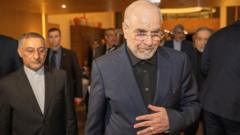
Trump Issues Stern Warning to Iran's Negotiator
Diplomatic tensions escalated as Trump Iran negotiations reached a critical juncture, with the United States president delivering a stark ultimatum regarding Tehran's influence over militant groups. Despite his absence from the negotiating table in Switzerland, the American leader made unambiguous statements threatening military intervention should Iran fail to constrain Hezbollah's operations in Lebanon.
The situation underscores the delicate balance between diplomatic channels and military posturing that continues to define Trump Iran negotiations on the international stage. While official representatives convened in the European nation to discuss outstanding issues, the president's rhetoric added pressure to discussions already fraught with historical animosity and competing strategic interests.
The Hezbollah Factor in Middle East Stability
Hezbollah's role in regional instability remains central to American concerns regarding Iran's foreign policy objectives. The Lebanon-based organization, designated as a terrorist entity by the United States and several allied nations, has long served as a proxy force for Tehran's broader geopolitical ambitions across the Middle East.
Trump's demands specifically target Iranian financial and military support flowing to Hezbollah operations. The president's explicit threat of military action represents an intensification of existing pressure tactics aimed at modifying Iranian behavior without requiring formal agreements or lengthy negotiations. This approach reflects a long-standing American frustration with Iran's apparent unwillingness to abandon support for designated terrorist organizations.
Lebanon's Vulnerable Position
Lebanon continues experiencing significant instability partially attributable to Hezbollah's militarization and political dominance. The nation has endured economic collapse, governmental dysfunction, and periodic armed conflicts that destabilize the broader Eastern Mediterranean region. American policymakers view Iranian restraint regarding Hezbollah as essential to Lebanon's potential stabilization and the prevention of wider regional conflict.
Switzerland as Diplomatic Venue
The decision to conduct these sensitive Trump Iran negotiations in Switzerland reflects that nation's traditional role as a neutral diplomatic intermediary. Swiss territory has historically hosted discussions between adversarial parties unable or unwilling to negotiate directly through conventional channels. The Alpine nation's neutrality status and institutional experience managing sensitive diplomatic exchanges made it a logical choice for representatives seeking preliminary discussions.
The presence of official negotiators in Switzerland, despite the president's physical absence, suggests a structured diplomatic process continues alongside Trump's more confrontational public statements. This dual-track approach—simultaneous engagement through formal negotiations and public pressure through presidential rhetoric—represents a common negotiating strategy employed by American administrations.
Strategic Implications of Trump's Ultimatum
The president's explicit threat carries significant weight given American military capabilities in the region. Naval forces, air assets, and strategic positioning enable rapid military response should decision-makers determine Iranian non-compliance warrants intervention. Historical precedent demonstrates American willingness to utilize military force when diplomatic measures appear insufficient.
However, such threats also complicate negotiating environments by reducing flexibility and hardening positions among participants. Iranian negotiators must now consider both substantive discussions regarding their country's interests and calculated responses to military threats. This dynamic typically reduces productive dialogue possibilities while increasing risks of miscalculation or escalatory spirals.
International Reactions and Concerns
Global observers monitored developments with significant concern regarding broader stability implications. European nations particularly worried about regional military escalation that could disrupt international commerce, energy supplies, and security arrangements. The possibility of armed conflict between American and Iranian forces represented an undesirable outcome for most international actors.
Professional diplomats emphasized that threats and negotiations function poorly together, suggesting that Trump Iran negotiations would benefit from deprioritizing military posturing in favor of structured dialogue addressing legitimate security concerns for all parties. However, American decision-makers appeared committed to maintaining pressure regardless of potential diplomatic costs.
Looking Forward
The coming weeks will prove critical in determining whether these negotiations yield tangible outcomes or escalate toward military confrontation. The convergence of diplomatic activity in Switzerland with presidential threats from the United States creates an uncertain environment where outcomes remain genuinely unpredictable.
Iran's response to Trump's ultimatum regarding Hezbollah will likely shape the trajectory of subsequent negotiations. Should Iranian officials demonstrate flexibility on this issue, prospects for broader agreements might improve. Conversely, continued support for Hezbollah without meaningful modifications would validate American threats and potentially trigger military action, fundamentally altering regional security dynamics and international relations.


