Budget 2026: Healey Increases Taxes on Banks and Landlords

Chancellor Healey's New Tax Strategy in Budget 2026
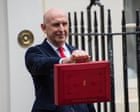
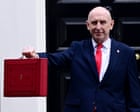
Chancellor John Healey has unveiled significant tax increases targeting banks and landlords as part of Budget 2026, utilizing the additional revenue to distribute £100 winter payments to approximately 20 million households. This fiscal approach represents a deliberate effort to address the persistent cost of living crisis affecting millions of British families across the nation.
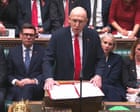
The newly appointed chancellor addressed Parliament with a measured speech that emphasized external factors contributing to economic pressures. Healey attributed much of the challenging economic landscape to what he characterized as "global economic storms," particularly highlighting how geopolitical tensions have driven up energy costs substantially.
Understanding the Budget 2026 Framework
In his inaugural budget presentation, Healey outlined a comprehensive strategy designed to balance fiscal responsibility with targeted support for vulnerable households. The decision to impose higher taxes on banks and landlords represents a deliberate redistribution approach, channeling funds toward those experiencing acute financial hardship.
Budget 2026 tax increases on financial institutions signal the government's commitment to ensuring that wealthier sectors contribute proportionally to addressing the national crisis. Banking institutions, which have reported substantial profits in recent years, face elevated levy requirements under this new framework. Similarly, the landlord taxation component targets property investors and rental business operators.
The £100 Winter Handout Initiative
The winter support scheme distributes £100 to each eligible household, targeting 20 million families nationwide. This direct payment mechanism aims to provide immediate relief as households face escalating energy expenses and general cost pressures during the colder months. The relief package represents a tangible government response to documented hardship affecting British families.
The scope of this initiative underscores the scale of ongoing economic challenges. With 20 million households qualifying for assistance, approximately three-quarters of all British families stand to benefit from the winter payment program. This breadth demonstrates the pervasive nature of cost of living pressures currently affecting the nation.
Global Economic Context and Energy Prices
Healey's statements regarding "global economic storms" reflect genuine international developments influencing domestic prices. Geopolitical tensions, particularly involving Iran, have contributed to volatile oil and gas markets. These external factors have translated into higher energy costs for British consumers, compounding existing affordability challenges.
The energy price crisis remains unresolved, with official forecasts suggesting no imminent relief. This persistent pressure on household budgets necessitates government intervention through mechanisms like the winter handout program. The chancellor's acknowledgment of these global influences contextualizes the budget decisions within broader economic realities.
Tax Increases and Revenue Implications
The tax increases targeting banks represent a strategic decision to enhance government revenues without impacting household finances directly. Financial institutions, having navigated recent economic volatility relatively successfully compared to average households, face elevated contributions to the public treasury.
Landlord taxation changes similarly aim to generate revenue while addressing housing market dynamics. Property investors and rental business operators will encounter modified tax obligations under Budget 2026 frameworks. These adjustments reflect policy priorities regarding wealth distribution and support for renters experiencing accommodation cost pressures.
First Budget Priorities and Economic Strategy
As Healey's inaugural budget announcement, this fiscal package establishes priorities for the administration's economic strategy. The emphasis on supporting households while generating revenue through progressive taxation demonstrates a particular approach to managing Britain's economic challenges during an uncertain period.
The minimal surprises in the budget speech reflected a deliberate communication strategy. Rather than introducing unexpected policy shifts, Healey presented a measured approach emphasizing continuity with careful recalibration of tax obligations. This measured tone contrasted with more dramatic fiscal announcements, instead building confidence through steady implementation of planned measures.
Cost of Living Crisis Persistence
Official economic forecasts accompanying Budget 2026 indicate the cost of living crisis shows no signs of abating. This grim outlook justified the chancellor's decision to introduce direct household support mechanisms rather than relying solely on longer-term economic adjustments. The winter handout program addresses immediate needs while structural economic improvements require extended timeframes.
The continuation of economic pressures affects consumer confidence and household planning. Families struggle with rising expenses across energy, food, and accommodation categories. Government support through the £100 payment provides temporary relief, though addressing systemic pressures requires coordinated policy approaches extending beyond single fiscal interventions.