Does Healey's Budget Address Cost-of-Living Crisis?
Healey's Cost-of-Living Budget: A Comprehensive Analysis
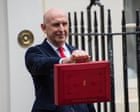
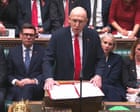
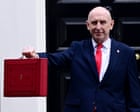
Chancellor John Healey has unveiled a budget strategy focused on addressing the cost-of-living challenges facing households across the nation. The cost-of-living budget represents a measured approach, combining immediate relief measures with longer-term fiscal planning that defers significant policy decisions to the following year.
Key Measures to Support Households
The government has introduced several targeted interventions designed to ease financial pressure on struggling families. Among the most significant announcements, a £100 energy payment will be distributed to qualifying households, providing direct financial assistance during the winter months when heating expenses peak.
Furthermore, the administration has extended the VAT suspension on electricity bills through July of the following year, effectively reducing the tax burden on domestic energy consumption. This continuation of existing relief mechanisms demonstrates a commitment to sustained energy cost management throughout the fiscal year.
Standing Charge Elimination and Long-Term Relief
One of the more substantial interventions outlined in the cost-of-living budget involves the complete scrapping of gas standing charges. This measure aims to reduce the baseline costs households must pay simply to maintain access to gas services, regardless of consumption levels. Such action acknowledges the financial strain placed on families through fixed charges that accumulate regardless of actual usage.
These three pillars—the energy payment, VAT relief extension, and standing charge removal—form the government's immediate response to the ongoing cost-of-living crisis affecting millions of British households.
Evaluating the Overall Strategy
Following months of messaging centered on resilience through difficult economic times, the budget presents what observers characterize as a