Budget 2026: £100 Energy Aid for Millions Amid Living Standards Warning
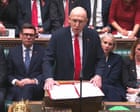
Budget 2026 Energy Payment Announced Amid Economic Concerns
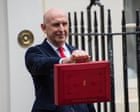
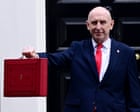
The 2026 Budget 2026 energy payment scheme represents a significant intervention aimed at supporting millions of households facing ongoing financial pressures. Chancellor John Healey has unveiled measures designed to provide relief through direct energy assistance while simultaneously implementing tax changes affecting financial institutions.
The Office for Budget Responsibility (OBR) has issued a cautionary assessment regarding the nation's economic trajectory, projecting that living standards will experience modest growth of merely 1% across the entire decade following the Covid-19 pandemic. This forecast underscores persistent challenges within the UK economy despite government interventions.
Energy Bill Reforms and Standing Charge Elimination
Energy sector reforms constitute a central pillar of the Budget 2026 announcements. Money expert Martin Lewis revealed during discussions with Chancellor Healey that significant efforts are underway to address standing charges across utility bills. The chancellor confirmed that standing charges have already been removed from gas bills, representing initial progress in reducing fixed costs for consumers.
However, the elimination of electricity standing charges presents greater complexity. Lewis explained that Healey acknowledged discussions with Ofgem—the energy regulator—remain ongoing to determine feasible pathways for removing these charges from electricity billing systems. The chancellor characterized the electricity charge removal as a 'trickier' proposition that will require extended timeframes to implement successfully.
Technical Challenges in Electricity Reform
The distinction between gas and electricity standing charge removals reflects underlying infrastructure and regulatory differences between these utility sectors. Electricity networks operate under different technical parameters and regulatory frameworks than gas distribution systems, necessitating bespoke solutions. The OBR's assessment of stagnating living standards adds urgency to implementing such consumer-friendly reforms, as households seek tangible relief from mounting utility expenses.
Banking Sector Tax Implications
Alongside consumer-focused energy measures, the Budget 2026 incorporates increased taxation on banking institutions. This dual approach—supporting households while augmenting revenues from the financial sector—reflects government priorities balancing immediate relief with medium-term fiscal objectives.
OBR's Living Standards Forecast and Economic Outlook
The OBR's projection that living standards will increase by merely 1% throughout the post-Covid decade presents a sobering backdrop for Budget 2026 deliberations. This forecast indicates that despite policy interventions and economic recovery efforts, households will experience constrained improvement in purchasing power and overall material wellbeing over the extended period.
The modest living standards growth forecast emphasizes why energy payment schemes and bill reform initiatives have assumed prominence in government economic strategy. Direct financial assistance through the £100 energy payment targets vulnerable populations most severely impacted by utility cost inflation and stagnant wage growth relative to living expenses.
Government Strategy and Consumer Support Focus
The Budget 2026 demonstrates a comprehensive approach to supporting consumer welfare during a period of limited economic expansion. By combining direct payments, utility cost reduction through standing charge elimination, and regulatory reform efforts, the government seeks to provide multifaceted relief to households navigating persistent financial challenges.
Chancellor Healey's engagement with energy sector stakeholders and regulatory bodies indicates commitment to implementing substantive rather than merely symbolic reforms. The acknowledgment that electricity standing charge removal requires extended implementation timelines suggests realistic appraisal of regulatory and technical obstacles, rather than unrealistic commitments.
Implications for Household Finances
For millions of households, Budget 2026 energy payment allocations combined with prospective bill reforms represent meaningful interventions. The £100 direct payment provides immediate relief, while longer-term standing charge elimination efforts promise sustained cost reductions if successfully implemented.
The correlation between OBR's living standards forecast and government policy interventions illustrates recognition that organic economic growth alone may prove insufficient for improving household financial circumstances. Energy cost management therefore emerges as a strategic priority for addressing quality-of-life concerns among the broader population.
Future Regulatory Developments
Ongoing discussions between government officials and Ofgem regarding electricity standing charges will determine whether this reform materializes within the current parliament's term. The success of these negotiations carries implications for consumer outcomes across multiple demographic groups reliant on electricity services for essential needs.
Budget 2026's multifaceted approach to economic support, combining direct assistance with structural reform efforts, reflects policymakers' understanding that living standards improvement requires coordinated interventions across consumer protection, taxation, and regulatory domains.